Wing Chun is a style of Kung Fu with deep roots in Chinese martial traditions. There’s a lot that makes Wing Chun unique. It incorporates swift, close-quarters techniques along with amazing stories and culture behind its development. Whether you’re interested in martial arts for self-defense, fitness, or just want to broaden your knowledge, tracking down where Wing Chun comes from can give you solid insight into how and why it works. I’ll walk you through the history, myth, and glow-up of Wing Chun so you can really get a feel for its background.
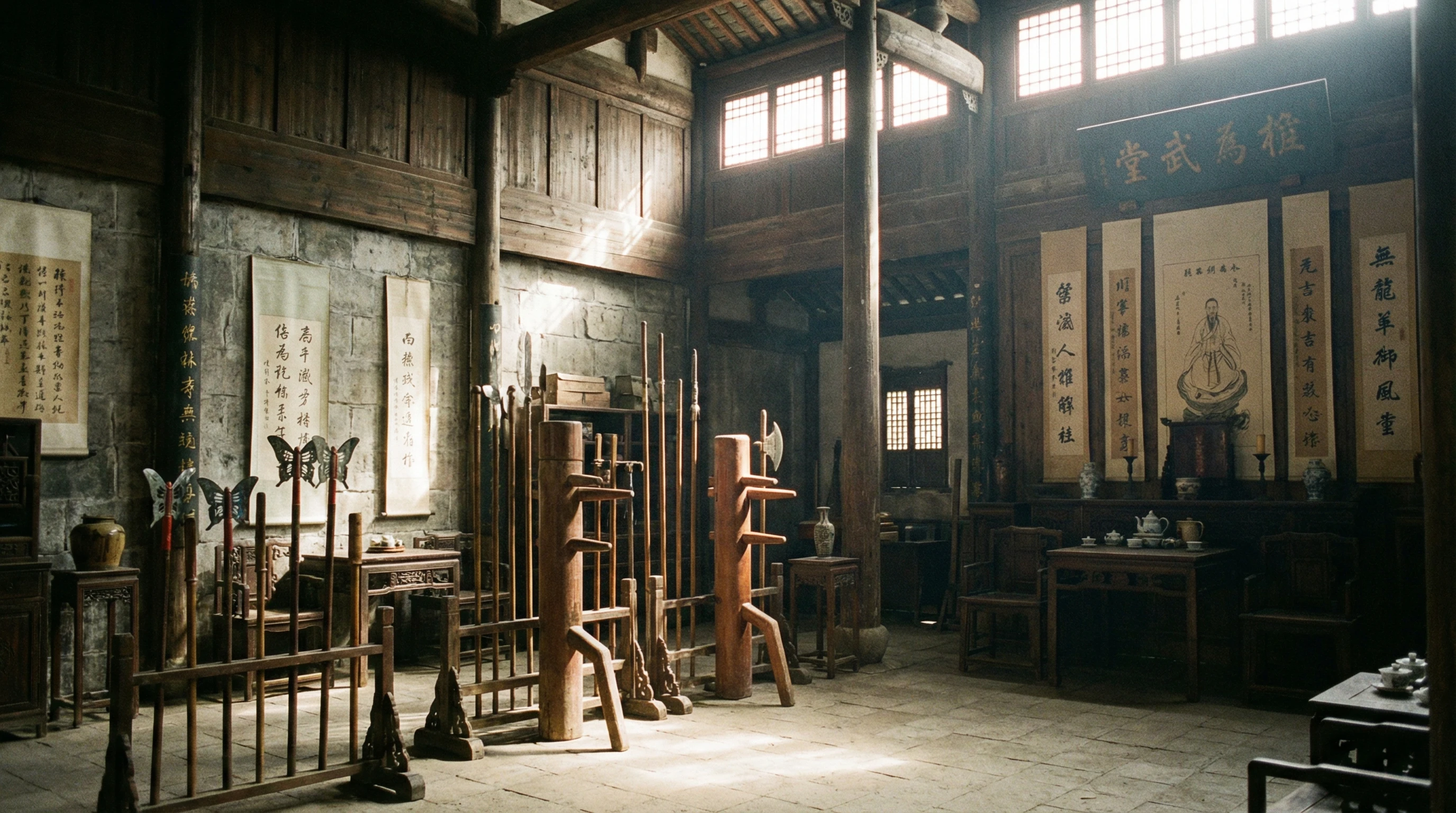
Early Beginnings: The Roots of Wing Chun in Southern China
Wing Chun’s story starts in southern China during the late Ming and early Qing dynasties, somewhere around the 17th century. This was a pretty wild time for martial arts. Monks, rebels, and everyday folks wanted fast, direct fighting methods they could count on in real-life situations. Wing Chun was crafted to be practical, efficient, and usable by people with different body types and strengths. While many older kung fu styles demanded flexibility, high kicks, or major athleticism, Wing Chun works great for people who prefer a grounded and accessible approach.
Lots of tales float around about how Wing Chun got its name and who first came up with it, but most stories lead back to the Shaolin Temple and the turmoil that followed its destruction. People back then were always on the move, hiding or fighting to survive, so martial arts styles adapted naturally. Wing Chun’s style matches this history—quick movements, direct attacks, and simple counters made it stand out from the crowd.
The Legendary Origin Story: Ng Mui and Yim Wing Chun
If you ask around, you’ll probably hear about Ng Mui, a legendary Buddhist nun who survived the burning of the Shaolin Temple. As the stories go, Ng Mui developed a more efficient way of fighting after watching animals in the wild—some even say she watched a snake and a crane battle it out. Ng Mui passed her techniques on to a young woman named Yim Wing Chun. When Yim Wing Chun faced pressure to marry against her will, she used the new fighting style to protect herself, and her name became the calling card of the art.
Whether every detail happened as told or not, these stories carry loads of meaning. They shine a light on Wing Chun’s roots as a style made for people without the size or muscle to rely on brute force. It’s a system built on smart angles, energy redirection, and relaxed power, making it accessible for just about anyone no matter their background.
Transition from Secret Art to Popular Kung Fu
For decades, Wing Chun was kept within close circles, usually passed down from teacher to a handful of trusted students. This secret practice was partly due to its revolutionary background and the need to keep training methods out of the hands of authorities. As society changed, Wing Chun spread past these small groups and started to reach more people across southern China and, eventually, Hong Kong.
The most famous name in modern Wing Chun is Ip Man, who brought the art to Hong Kong in the 1950s. He started teaching it openly to anyone curious, including regular folks and local police. Ip Man’s passion for sharing knowledge—and making the style fit modern times—really helped Wing Chun make the jump from a hidden gem to an international phenomenon that has inspired generations.
Key Concepts and Principles of Wing Chun
What sets Wing Chun apart from other kung fu styles is its focus on simplicity, directness, and structure. Instead of relying on hard blocks or wide motions, every move is built for quick efficiency. The following ideas are super useful when learning or getting into Wing Chun:
- Centerline Theory: Controlling the center of your body and protecting this line gives you a major advantage. Nearly all attacks and defenses track along this path.
- Simultaneous Attack and Defense: Rather than blocking first and then striking, Wing Chun sticks to striking and defending at the same time. Efficiency matters above all.
- Economy of Movement: Each technique is designed to be as simple and short as possible. These moves are easy to repeat and don’t leave you open to counters.
- Sensitivity Training: Wing Chun relies on Chi Sau (“sticky hands”) drills to build a feel for your partner’s movements through touch. This is a lot different from styles that count on visual cues alone.
All of these ideas mix together to create a system that’s practical and realistic, especially in tight spaces or unpredictable situations. Their effectiveness continues to be tested and refined through training and real-life scenarios.
Wing Chun’s Glow-Up and Global Spread
After Ip Man started teaching in Hong Kong, Wing Chun spread like wildfire. A big boost came from Bruce Lee, who started his martial arts adventure as a Wing Chun student under Ip Man. Bruce Lee’s movies and philosophies got millions interested in Wing Chun ideas and training. Even as Bruce Lee cooked up his own martial art, Jeet Kune Do, he kept some of Wing Chun’s core philosophies. These roots are still found in modern schools all over the world, each interpreting the style in their own way.
Nowadays, you can find Wing Chun schools on nearly every continent—which shows its massive appeal. People train for different reasons: some want practical self-defense, others are in it for tradition, and many enjoy the community or health benefits it brings. The art also shows up in movies, TV, and even special fields like military or police work. Its simplicity and focus on structure keep practitioners engaged generation after generation.
Step By Step: How the Art Is Typically Learned
Most newbies kick things off with the basics: stances, posture, and the first form known as Siu Nim Tao, which translates as “Little Idea Form.” This solo practice introduces the essential movements and helps engrain good habits from day one. Later, students start to get into applying techniques with partners using drills like Chi Sau and moving through the second and third forms, Chum Kiu and Biu Jee. Once you’re more advanced, traditional weapons like the long pole (Luk Dim Boon Gwun) and butterfly swords (Baat Jaam Do) give a new spin on the skills learned early on.
- Stances and Balance: Staying steady on your feet is crucial for both power and defense whether moving or rooted.
- Forms Practice: Each form teaches about structure, angles, and flowing from one motion into another.
- Partner Drills: Working on Chi Sau sharpens your touch and helps you pick up on quick changes from your training partner.
- Sparring and Application: As you gain skill, you can try more “live” practice—these are controlled sparring or real-world scenario drills that make things exciting and real.
Common Challenges and Lessons from Wing Chun Training
Starting Wing Chun usually means relearning certain movements that you might know from other disciplines. Keeping your elbows in and focusing on structure can feel awkward, especially if you have a background in boxing or karate. But it’s vital to stick with the basics—proper posture, relaxation, precision—because all the advanced stuff is built on this. Another huge lesson is learning to stay relaxed and aware even when under stress. This isn’t just a martial art lesson; it helps for everyday challenges, too.
When I first got into Chi Sau, I thought it was too gentle to be effective, but practice quickly showed just how much you can “read” from even a light touch. Subtle shifts, timing changes, and intent become clear. Not everything is about raw force. Being present and ready to adjust on the fly is a key skill for both martial arts and life outside the dojo.
Wing Chun in Real Life: Practical Uses Great for Beginners
A big reason so many are drawn to Wing Chun is its real-world usefulness, especially for self-defense if you don’t have a background in athletics. Quick punches, close-range elbows, and easy redirects give solid options even in cramped or high-pressure situations. Law enforcement and security pros also like Wing Chun’s straightforward movements for controlling situations with just the necessary force.
- Personal Safety: Wing Chun’s blocks and counters are ideal for split-second, unpredictable situations you might face walking in the city or at work.
- Building Confidence: Learning moves that work right away gives a real boost, building confidence mentally and physically.
- Wellness and Fitness: The forms and drills are a gentle, effective workout, helping with posture, balance, and even helping ease stress for a healthier lifestyle.
Frequently Asked Questions
Here are some common questions people ask when learning about Wing Chun’s roots and its rise in the martial arts world:
What makes Wing Chun different from other kung fu styles?
Answer: Wing Chun focuses on economy of movement, structure, and touch-based sensitivity training, so it’s more direct and easier to start for beginners than many styles with big, complex motions.
Is the story of Ng Mui and Yim Wing Chun real?
Answer: Most historians think of it as a myth, but it’s a powerful guiding tale and helps show what makes Wing Chun special.
Can anyone practice Wing Chun, or is it just for certain body types?
Answer: Absolutely anyone can pick up Wing Chun! Since it focuses on positioning, timing, and technique, it works for everyone—from kids to adults.
Stumbling Upon the Tradition: What Makes Wing Chun Worth Exploring?
Digging into Wing Chun’s past gives you a peek into the mindset and creativity of countless generations who used martial arts in daily life. Whether you want practical self-defense or are interested in the adventure from ancient China to global cities, Wing Chun offers loads to check out. The tradition keeps changing shape as new teachers and students mix in their own style. If you ever get a chance to stop by a class or watch a demo, you’ll see firsthand why it’s kept people hooked for ages. The art, with its blend of history and practicality, remains relevant and keeps growing in the modern world.