Learning the basic kicks in Wing Chun can totally change the way you look at martial arts. Wing Chun might be famous for its close-range hand techniques and quick strikes, but its unique approach to kicking is pretty handy too. Beginners sometimes overlook kicks, but getting them right is really important if you want a wellrounded skill set and real-life self-defense ability. In this walkthrough, I’ll cover the most important kicks in Wing Chun and how to practice them so you can build confidence from your very first lesson.
The Role of Kicks in Wing Chun Martial Arts
Wing Chun’s style sets itself apart with its direct methods and focus on economy of motion. While lots of other martial arts throw in flashy, high kicks, the kicks in Wing Chun stay practical and low. They’re designed to hit fast, strike with accuracy, and keep you balanced. Mastering these basic kicks helps new students feel more confident when defending themselves or adding layers to their techniques.
Historically, Wing Chun developed on the southern coast of China, where fighting space was often crowded. The low, straight kicks fit this environment perfectly. Instead of fancy acrobatics, the aim is to disrupt your opponent’s foundation and create openings. Whether by knocking them off balance or setting up your next strike, these practical kicks let you keep control during fast exchanges.
Breaking Down the Core Kicks in Wing Chun
The best way to approach learning kicks is by getting familiar with the most used techniques in the system. I always recommend focusing on quality before trying to add speed or power. Here are the top three fundamental kicks used in Wing Chun:
- Front Kick (Chung Geuk): A straightforward, stomping kick that targets the knee, shin, or lower leg. The leg is chambered, then snapped out in a compact motion.
- Side Kick (Waang Geuk): Delivered to the side of the attacker, aiming for the knee or midsection. You pivot on the supporting foot and strike using the heel or edge of your foot.
- Low Sweeping Kick: This is used to attack an opponent’s ankle or knee, often to break their balance or disrupt their stance with a quick, circular movement.
All these kicks focus on efficiency. You won’t see high kicks to the head, which take you off balance. Instead, staying rooted and protecting your centerline matters most.
It’s worth noting that even though the core kicks are few, each one opens up multiple tactical options. For example, the front kick isn’t just about offense—it can act as a powerful defense against an aggressive attacker’s advance. These kicks, when practiced together with hand traps or deflections, make your overall skill set much stronger than kicks or hand techniques alone.
Getting Started With Your Wing Chun Kicking Practice
Just like learning a new language, practicing Wing Chun kicks starts with the basics. Here’s how I break down my sessions for beginners:
- Start With Your Stance: You’ll want to build your kicks from a strong base. Wing Chun relies on the Yee Gee Kim Yeung Ma (character two adduction stance) to keep balance and readiness.
- Focus on Alignment: Practice kicking straight from your center without telegraphing (showing) your move. No wind-ups or wasted motion.
- Keep it Low: Train your kicks consistently at knee height or below. These are safer and harder for your opponent to catch or counter.
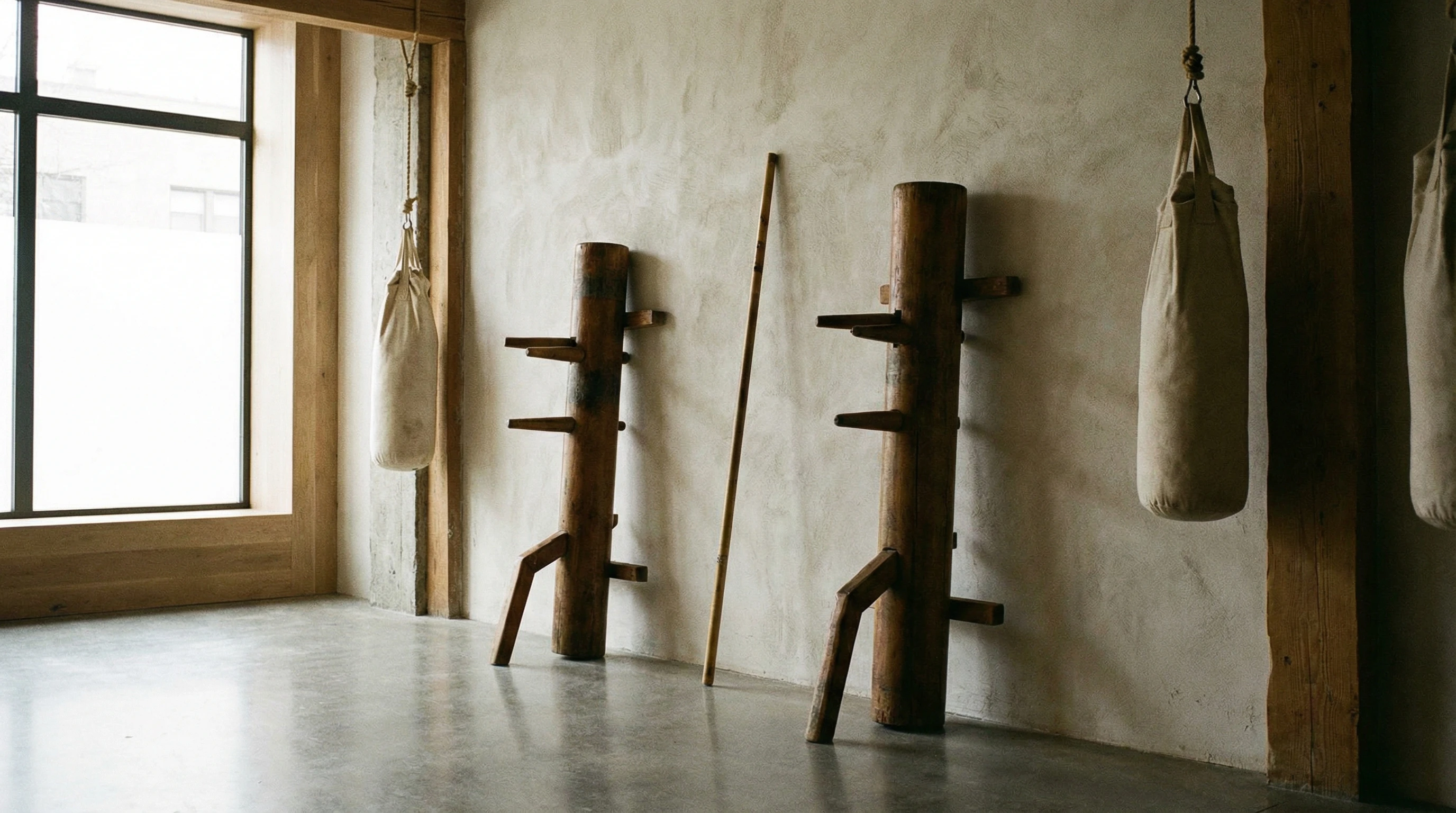
Drills like kicking at wall bags or woodendummies (mook jong) help develop accuracy and structure. Slow-motion repetitions allow you to check for flaws in technique, making sure you get muscle memory down before picking up the pace. I always tell students to stay patient; consistency beats rushed practice any day.
Hands are important too—Wing Chun often teaches that your upper and lower body should move as one unit. Try keeping your hands in proper guard position as you practice kicks. This routine will help you blend hand and leg actions naturally as your skills grow.
What to Watch For When Practicing Wing Chun Kicks
Like any skill, Wing Chun kicks come with their own set of common challenges. Here are four areas I think everyone should keep in mind:
- Balance: All kicks start and end with balance. Bouncing or wobbling means your stance needs work. Focus on core engagement and grounding.
- Telegraphing: Wing Chun kicks work best when opponents don’t see them coming. Keep your movements tight and avoid big wind-ups.
- Overextending: Trying to kick too high or too far can throw you off balance and leave you open. Stay within your comfortable range at first.
- Recovery: After each kick, get your foot back beneath you quickly. Reset your stance so you’re ready for whatever happens next.
Balance
If you find yourself tipping or losing your stance after throwing a kick, slow things down. Try holding onto a chair for support as you practice getting your hip and foot into the right position. Over time, your body will develop the small muscles needed for stability.
Telegraphing
Big, obvious movement before a kick gives your opponent a warning. The key is to use your hips, not just your foot, and keep everything compact. Filming yourself or practicing in front of a mirror helps spot any extra movements that might give away your intentions.
Overextending
It’s easy to want to throw your kicks as far as you can to build power, but Wing Chun rewards subtlety. Keep your kicks close and snappy, and gradually build range as you improve your form and balance.
Recovery
Getting your leg back into stance after a kick is super important. If you kick and leave your leg hanging in the air, you won’t be able to defend yourself if something changes. Drills that focus on retracting your kick right away help lock this habit in place so it feels automatic.
Tips That Really Make a Difference
Once you’re comfortable stepping through the basics, a few key tips help smooth your Wing Chun kicking game:
Practice With Pad Work: Using a handheld pad lets you feel real impact and practice aiming at moving targets. Ask your training partner to move the pad around to make the drill less predictable.
Use Visualization: Imagine striking a real attacker’s leg during every repetition. This mental game sharpens your awareness and improves your timing for self-defense.
Mix Kicks and Hand Techniques: Don’t isolate your kicks, combine them with palm strikes or blocks for more realism. This builds fluidity and gives you options if a kick is blocked or caught.
Stay Relaxed: Muscle tension slows you down and trips up your balance. Loosen your joints, drop your weight, and let your hips generate most of the power.
Even a small improvement in technique can pay off right away. I remind students that it’s the little adjustments and steady practice that create the biggest boost in confidence and ability.
You also might want to mix in some variety as you advance—try switching the order of kicks, or following a kick right away with a step and hand block. This sort of practice not only keeps training fresh but helps build realistic muscle memory for unpredictable situations.
Why Basic Kicks Matter in Real-Life Situations
Learning the theory is great, but understanding how Wing Chun kicks help outside the dojo is even better. These low, quick kicks aren’t about racking up points in competition; they’re for self-defense and controlling space.
- Defending Against Grabs: If someone grabs your shirt or arm, a sudden low kick can break their structure and let you escape.
- Stopping an Advancing Opponent: A sharp stomp to the knee or shin will often force an attacker to hesitate or back off, buying you time.
- Finishing a Close-Range Exchange: After using hand blocks or strikes, a follow-up kick can disrupt your opponent’s recovery and help you stay safe.
Watching some classic Wing Chun sparring sessions, you can spot how these kicks allow quick, tactical moves in tight spaces. For instance, famous practitioners like Ip Man used low kicks paired with rapid hand traps to control much bigger opponents. These stories and video clips show just how practical Wing Chun’s kicks really are in everyday life.
One beginner in my classes once felt awkward about kicking at first. They kept kicks low and consistent, and later, they shared how these skills gave them confidence during a tense encounter, showing the real-world value of these basic moves.
Frequently Asked Questions
Common questions pop up all the time for new students. Here are a few that come up in my classes:
Question: Should I worry about being flexible for Wing Chun kicks?
Answer: High flexibility isn’t required, since all the kicks are low, basic stretching is enough. Focus more on balance and precision instead of flexibility.
Question: How often should I practice kicks to get better?
Answer: Three to five short sessions a week is ideal. Just ten minutes a day can make a big difference if you stay focused on quality over quantity.
Question: Can I learn Wing Chun kicks at home?
Answer: Yes, but feedback is really helpful. Use a mirror, video, or online class to check your form. If you can, don’t skip occasional lessons at a local school for more feedback.
Wrapping Up: Keep Kicking!
Getting the kicks down in Wing Chun is about more than just adding tools to your arsenal. It’s about building control, awareness, and smooth coordination with the rest of your techniques. By focusing on steady improvement, you’ll build a set of skills that’s practical for real life and a lot of fun to master along the way. The most important thing is to keep practicing and to enjoy how each small win adds up in your training adventure. Remember to stay patient, stick with your routine, and have fun as you build up your confidence and skill with each session.