If you’ve ever watched Wing Chun practitioners, you’ll notice their punches are fast, straight, and super practical. That’s no accident. Wing Chun puts a huge focus on direct, efficient technique. Even if you’re just getting started, learning the basic Wing Chun punches gives you a strong foundation for self-defense and helps you move smarter in other martial arts. I’ll walk you through the fundamentals and share some tips I wish I’d had when I first began.
Why Wing Chun Focuses on Punching Basics
Wing Chun is famous for its simplicity and direct approach. The main goal is to stop a threat quickly using the shortest path. That’s why basic punches in Wing Chun are front and center, literally. Instead of big swings, these punches go straight down the middle line, fast and efficient, so there’s less room for wasted movement.
A lot of stories about Wing Chun’s origins point back to practical, real-world fighting situations. People wanted to defend themselves with moves that worked fast, even if they weren’t super strong or tall. So, the fundamental punches are designed to use your body’s structure, rather than just your arm strength. This means just about anyone can use Wing Chun punches effectively, with the right practice.
Getting Set Up: The Structure Behind Good Wing Chun Punches
Before you even throw your first punch in Wing Chun, your stance and posture need to be solid. Punches work best if your body is aligned for balance and energy transfer.
- Shoulders Down and Relaxed: Tension gets in the way of speed and accuracy, so let your shoulders drop naturally.
- Elbows In: Your elbows stay close to your body. This protects your ribs and keeps your punch strong along the centerline.
- Wrist Alignment: Your fist should be in line with your forearm, not bent. This helps prevent injuries and keeps the power flowing properly.
- Weight Centered: Keeping your weight balanced between both legs gives you better control and faster recovery between punches.
Practicing these basics without even throwing a punch can seriously improve your overall martial arts form. It’s surprisingly challenging to stay relaxed and structured at the same time, but it really pays off as you progress.
Main Types of Wing Chun Punches
There are a handful of punches in Wing Chun that you’ll use all the time. Each one serves a slightly different purpose, but the mechanics behind them are pretty similar. Here’s what you need to know:
- Chain Punch (Lin Wan Kuen): This is the Wing Chun classic. Rapid fire straight punches delivered right down the centerline. Instead of pulling each punch back to the waist, you throw them one after another, almost like a machine gun. It’s super effective at overwhelming an opponent and keeping control of the fight.
- Basic Straight Punch (Yat Ji Chung Choi): This single, direct punch is the foundation of all other strikes in the system. It goes straight out from your chest, with the top two knuckles landing on the target. The punch starts from the center, and the fist travels in a straight line, so it’s quick and easy to repeat.
- Turning Punch (Tor Ma Chung Choi): By rotating your stance, you add extra power from your hips. This is great if you need to deliver a stronger hit or reach someone who’s just out of range.
- Hidden Punches (Biu Jee and Uppercut Variations): These come into play in special situations, like when you need to punch at an angle or recover control in close quarters. They’re less common for beginners but worth checking out as you gain experience.
Step-by-Step: Throwing a Basic Wing Chun Punch
Getting the mechanics right from day one saves you lots of wasted training time. Here’s a simple step-by-step for throwing the basic straight punch (Yat Ji Chung Choi):
- Start in a comfortable stance, arms relaxed in front of your body and elbows tucked in.
- Align your fist so your knuckles are pointing straight ahead, palm facing horizontally (not up or down).
- Push the punch directly out from your chest, keeping your elbow down and in. Imagine your hand sliding along an invisible rail right down the centerline of your body.
- At the moment of impact, tighten your fist, making sure your wrist and forearm are aligned. The punch should land with the first two knuckles.
- Recover the hand quickly, or immediately follow with another punch for chaining attacks together.
The magic here is in staying relaxed until that last split second. Tense muscles slow you down, so focus on smooth, light motion until it’s time to hit the target.
Common Mistakes When Learning Wing Chun Punches
It’s normal to make a few classic errors when starting out. I went through these too, and spotting them early can help you fix your form much faster:
- Flared Elbows: If your elbows pop out, your punch loses power and speed. Try practicing in front of a mirror to keep your form tight.
- Punching with Just the Arm: Real power comes from your whole body, not just your hand. Use your stance and hips to drive the punch forward.
- Overcommitting: Reaching too far with your punch leaves you off balance. Only punch as far as your body can reach comfortably, no need to stretch.
- Loose Wrists: Not locking your wrist at the end of the punch can lead to injury. Practice slow and steady, making sure everything lines up properly.
Tips for Training Wing Chun Punches Effectively
Building good habits early helps you get more out of your training sessions. Here are some practical ways to make your punches faster, sharper, and more reliable:
- Drill Slowly at First: Speed comes with repetition, not by rushing. Going slow helps you notice small mistakes and engrains good habits.
- Focus Mitts and Wall Bags: Hitting a padded target builds real power and conditions your knuckles. Wallbags, a classic training tool in Wing Chun, give great feedback on your alignment and structure.
- Shadow Boxing: Practicing punches in the air keeps your form crisp and helps with endurance. Combine this with footwork to simulate real movement.
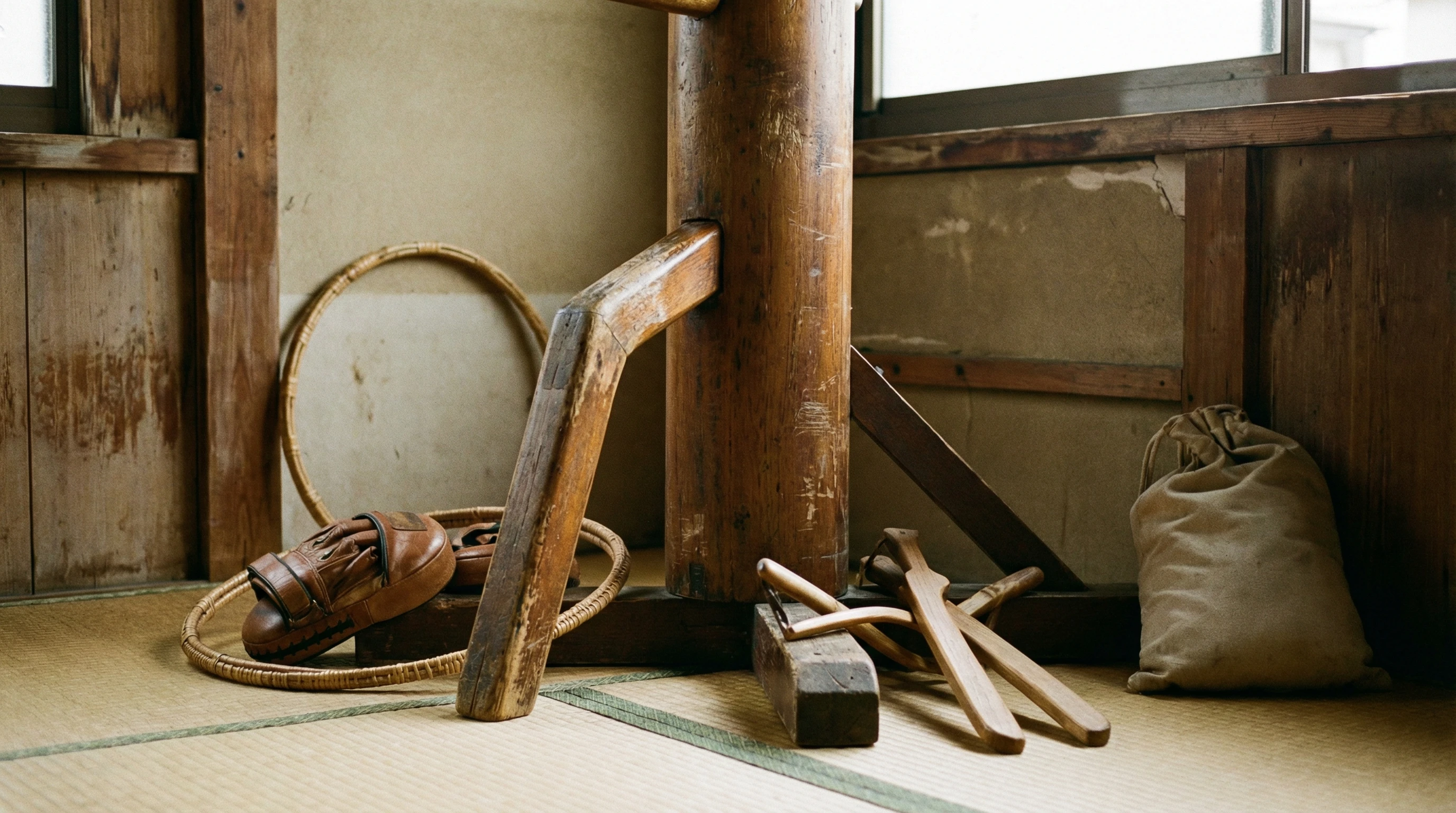
- Use a Wooden Dummy: Once you’re comfortable with basics, a wooden dummy helps train angles, hand positions, and transitions between punches and blocks.
As with any martial art, consistency is more important than long sessions. I often found my form improved most when I trained a little bit every day rather than cramming everything into a single session.
Other Wing Chun Concepts That Impact Your Punching
Even though the basic punch seems simple, there’s a lot going on under the hood. Wing Chun adds a few extra concepts that give these punches a special edge:
- Centerline Theory: Always attack and defend the imaginary vertical line that divides your body in half. This is the shortest, most direct path and makes it easier to protect yourself.
- Economy of Motion: Wing Chun teaches you not to waste movement. Every punch should go straight to the target, no circling or wind-up needed.
- Forward Pressure: By applying gentle forward pressure even between punches, you keep your opponent on the defensive and ready to react.
All of these ideas take time to develop, but keeping them in mind as you train helps you see improvements more quickly. Also, learning to stay relaxed yet focused takes practice, so don’t rush the process. Try to be mindful of how your body aligns, and take some time every week to review your basics. Your future self will thank you for putting in the effort early.
Questions People Ask About Wing Chun Punching
Here are some of the most common questions I’ve gotten about Wing Chun punches, along with quick, practical answers:
Question: Are Wing Chun punches effective in real-life situations?
Answer: Absolutely, as long as they’re delivered with proper structure and timing. Direct punches can end an altercation quickly if used confidently. Over time, you’ll start to rely more on technique and less on brute force.
Question: Why do Wing Chun punches look so different compared to boxing?
Answer: The technique emphasizes directness, speed, and structure. Boxing often uses looping shots and wide hooks; Wing Chun goes straight down the middle for efficiency and to keep the opponent from slipping past your guard. This approach focuses on simplicity, allowing for quick follow-ups and smooth transitions into defense.
Question: Should I practice on both sides?
Answer: Yes, definitely train both your left and right punches. It helps keep your body balanced and improves your ability to adapt in real situations. By practicing both sides, you make it easier to handle surprises during sparring or self-defense scenarios.
Question: Do I need special equipment to train Wing Chun punches?
Answer: Not at all. While focus mitts, wallbags, or a wooden dummy can give great feedback, you can also practice punches in the air (shadowboxing) or against a simple pad. The most important factor is practicing with the right structure and intent. Don’t be afraid to start simple and upgrade your equipment later.
Final Thoughts: Making the Most of Basic Punch Training
Sticking with the basics in Wing Chun pays off. Practicing punches might feel repetitive, but building muscle memory and body structure is really important for self-defense. As you get more comfortable, you’ll see how these simple techniques can adapt to many different situations. Whether you’re in it for fitness, confidence, or practical self-defense, a strong Wing Chun punch always comes in handy. Remember, the journey toward mastering Wing Chun is a marathon, not a sprint. Be patient with your progress and celebrate small victories along the way. With dedication and the right approach, you’ll find your punches getting sharper, faster, and more effective every week.